I've spent my career studying what technology makes possible.I'm spending this chapter of my life examining what it means for the human being.
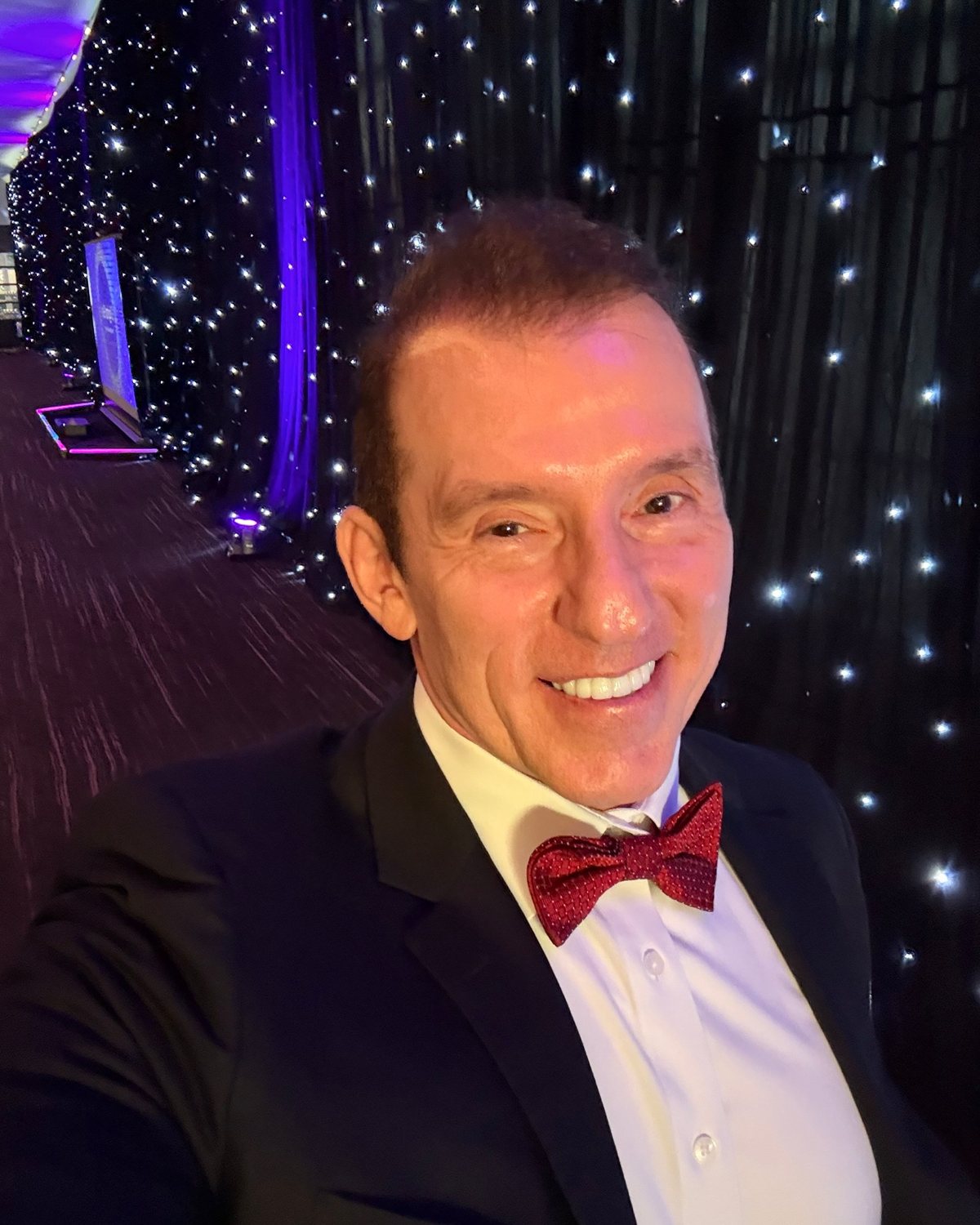
John A. Kwarsick · Sociologist at heart · Technologist · Independent researcher · Coach and mentor
A Sociologist at Heart. A Technologist by Trade.
I've always been fascinated by people. Why we believe what we believe. Why we resist change. Why intelligent people make poor decisions. And why the most important part of a problem is often the part nobody thought to question.
I'm a sociologist at heart, a technologist by trade, and a lifelong student of human behavior.
I have an insatiable curiosity about how things connect. I look for relationships that aren't immediately obvious, challenge assumptions that have become accepted truths, and try to make complicated ideas understandable.
But understanding something isn't enough for me. I've spent much of my life teaching, coaching, and mentoring others. There's something deeply satisfying about watching someone suddenly understand what seemed impossible just moments earlier.
That curiosity has taken me through more than four decades of technology, business, cybersecurity, and now artificial intelligence.
And it has brought me to a question I believe is becoming increasingly important:
As machines become more capable, what is happening to the people who depend on them?
That's what drives my research today. Not simply what AI can accomplish, but how it changes human judgment, behavior, responsibility, and our capacity to think for ourselves.
I believe technology should expand human potential, not quietly diminish it.
The most important variable isn't artificial. It's human.
Four Decades of Technology. One Recurring Question.
I began my career in enterprise technology in 1984. Along the way, I began noticing a recurring pattern.
Technology kept getting better. More powerful. More capable. More sophisticated.
But the people and organizations expected to use it weren't always keeping pace.
The technology wasn't necessarily failing. Our understanding of the human side was incomplete.
As artificial intelligence began transforming the nature of work, the problem became more consequential. We were no longer asking people simply to adopt new tools. We were asking them to supervise systems capable of analyzing, deciding, and increasingly acting on their behalf.
Who is really in control? Who remains accountable? How do we know people are qualified to intervene? And if AI performs the work through which young professionals traditionally develop expertise, where will the next generation acquire judgment?
Those questions became the foundation of my independent research and the development of THE WHEEL™ and WHEEL OS™.
My career taught me how organizations operate. My research examines what happens to the people inside them as AI changes the rules.
Three Interconnected Problems
My independent research examines three interconnected problems:
These are not ideas I consider finished. They're propositions to be challenged, tested, improved, and, ultimately, put to work.
We're investing extraordinary resources in making machines more capable. I want us to be equally serious about developing and preserving the capabilities of the humans responsible for them.
From Enterprise Execution to Independent Research
- 1984 to today: enterprise technology at Microsoft, Check Point, Symantec and OpenText.
- At Microsoft, designed and deployed a global security-specialist onboarding program for more than 300 sellers, reducing onboarding time from nine months to eight weeks.
- Recognized with Microsoft's FY23 SMC Growth Mindset Award, selected from 6,000 people.
- Years of speaking at industry conferences on the technical and human dimensions of change.
- 16 SSRN working papers and original frameworks, including THE WHEEL™, WHEEL OS™, the Capacity Ledger, and the Governor Formation Gap.
Training is not the same as readiness. Readiness is something you should be able to demonstrate.